
Remotely readable meters: the deadline ends on December 31, 2026
By December 31, 2026, all heat cost allocators and hot water meters that are still read manually must be remotely readable. For condominium owners' associations (WEG), this means the resolution belongs on the agenda now, not in autumn.
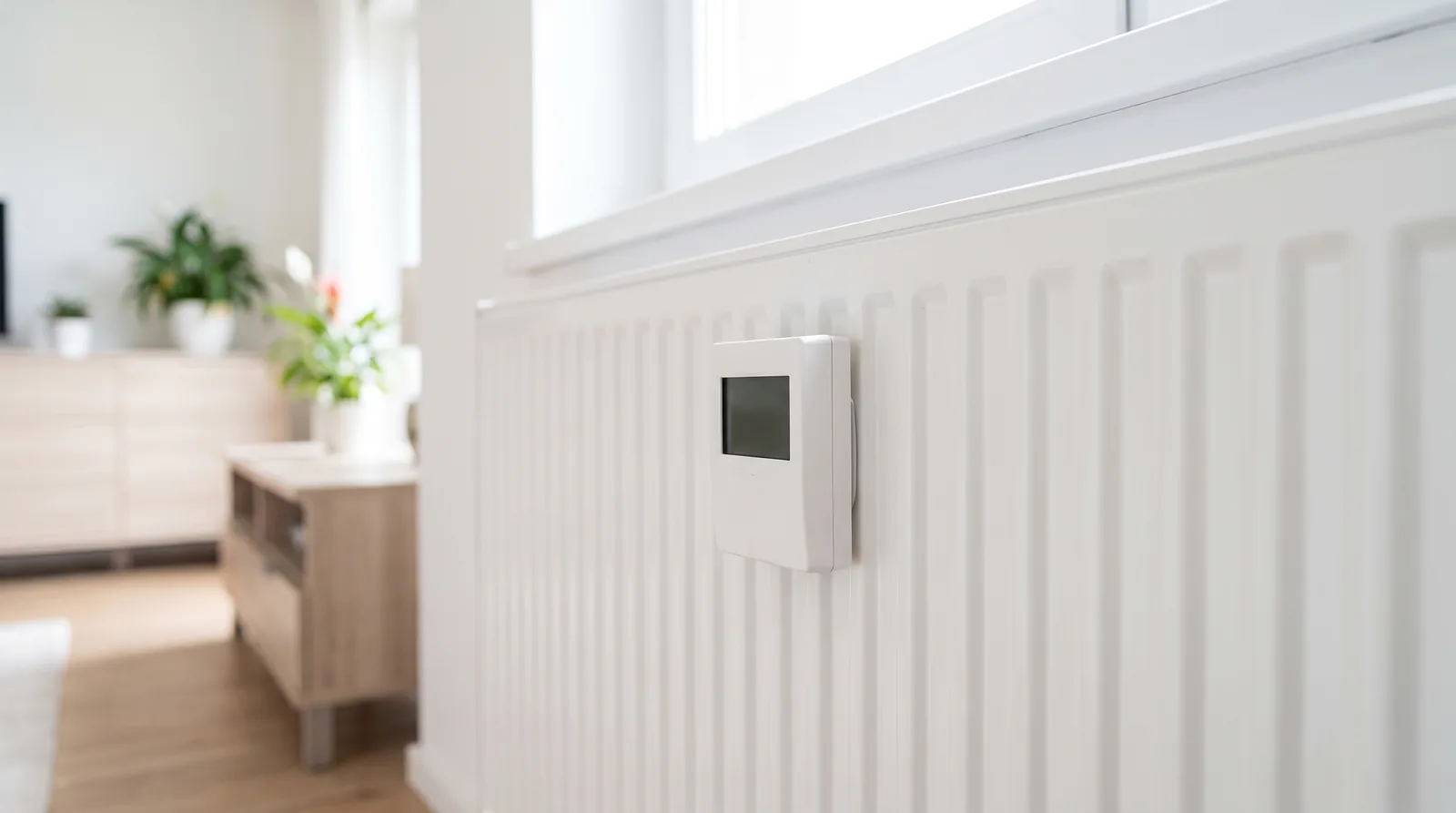
Deadlines in the property world have the unpleasant habit of feeling far away for a long time and then suddenly being upon you. December 31, 2026 is one of those dates. By then, all heat cost allocators and hot water meters that are still read manually must be replaced with or upgraded to remotely readable devices. That is what the German Heating Costs Ordinance (Heizkostenverordnung) requires.
What exactly is required
The obligation goes back to the 2021 amendment of the Heating Costs Ordinance, which in turn is based on EU energy efficiency rules. It has two stages:
- Since December 1, 2021, only remotely readable devices may be installed in new installations anyway. Anyone who has replaced devices since then is already done on this point.
- By December 31, 2026, the existing stock must catch up: all devices that are still read manually must be replaced or retrofitted.
Remotely readable means that the reading works without entering the apartment. Heat cost allocators and hot water meters are affected. Exemptions exist, but they are narrowly defined: they apply where retrofitting is technically impossible or would constitute undue hardship. That is a solution for individual cases, not a general extension for the condominium owners' association (WEG).
The financial lever: 3 percent
In the event of a violation, tenants have the right to reduce their heating cost statement by 3 percent. For a WEG this may sound like a purely tenant-side issue at first, but it is not. It affects every owner who rents out their apartment. The peculiarity: the association decides on the devices, while the individual landlord bears the consequences. If you rent out your unit, you should not stay silent at the owners' meeting.
On top of this comes a benefit that is mandatory anyway. Remotely readable devices are the prerequisite for the monthly consumption information that users have been entitled to receive since 2022. Retrofitting therefore does not just tick off a deadline, it enables in-year consumption updates in the first place.
Why this belongs on the agenda now
Work the chain backwards. The devices must be installed by the cut-off date. Before that comes the installation appointment, before that the order, before that the association's resolution, before that the quotes. Each of these steps needs lead time, and the resolution needs a meeting. Owners' meetings do not take place because a deadline is looming, but when they are scheduled.
Anyone who starts in December will not finish in time. Anyone who puts the topic on the agenda of the next meeting has breathing room. Three questions to your property management company are enough to get started:
- How many devices in the building are currently still read manually?
- Have quotes for the conversion already been obtained?
- At which owners' meeting is the resolution to be passed?
If you get specific answers, the matter is in good hands. If not, you know where you stand and still have enough time to change it.
How such items later appear in the statement is explained in our guide on the service charge statement. How the association funds and plans its expenses is covered in our guide on the monthly service charge (Hausgeld).
Basis: German Heating Costs Ordinance (Heizkostenverordnung), as of June 2026. This article does not constitute legal advice for individual cases.
Looking for a property manager?
Describe your property in two minutes. You will receive non-binding quotes from management companies in your area. 100 % free for owners.